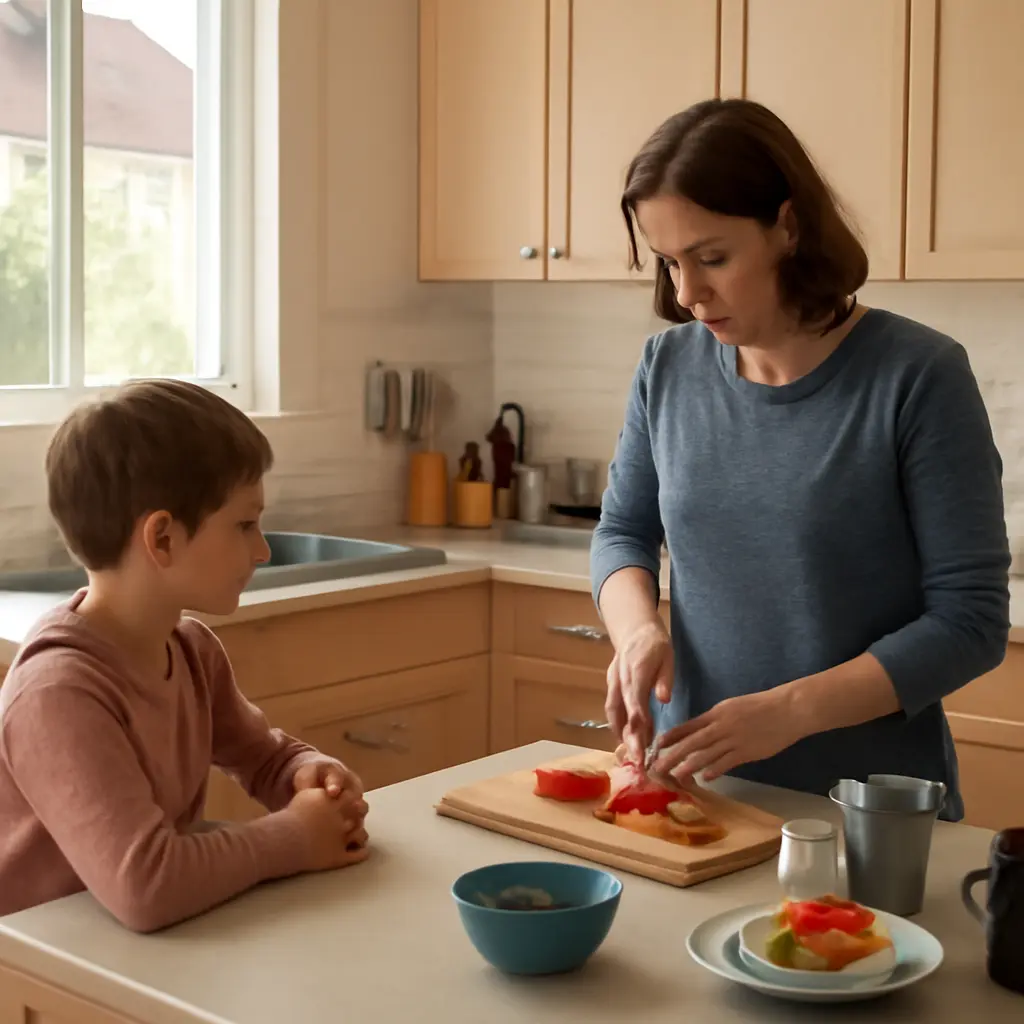
Childhood obesity prevention means helping children build healthy eating, movement, sleep, and supportive-environment habits before those patterns become established. The World Health Organization defines childhood overweight and obesity as abnormal or excessive fat accumulation that may impair health; in the United States, obesity affected about 19.7% of children and adolescents ages 2–19 in 2017–2020, according to the Centers for Disease Control and Prevention (CDC). Prevention works best when families, health professionals, schools, and communities act together: offer nourishing foods, make active play routine, protect sleep, and support children without stigma. The following sections explain these prevention strategies, show how they connect, and summarize evidence and practical steps for putting them into practice.
Healthy habits shape childhood obesity prevention
Prevention is not a diet imposed on a child or a judgment about body size. It is a sustained approach to creating conditions in which children can grow and develop well. The CDC describes childhood obesity using body mass index (BMI) relative to age and sex: obesity is BMI at or above the 95th percentile on the CDC growth charts for children and teens ages 2–19. BMI is a screening measure, not a complete diagnosis of an individual child’s health.
The scale of the issue makes early, supportive action important. The CDC’s 2017–2020 national estimate found obesity in 19.7% of U.S. children and adolescents ages 2–19—roughly one in five. Risk reflects many influences, including food access, activity opportunities, sleep, family routines, health conditions, and social and economic circumstances. Because these influences begin early and reinforce one another, prevention is most useful when it changes everyday environments rather than relying on willpower alone.
Nutrition habits support childhood obesity prevention
Nutrition habits are the regular food and drink patterns that help meet a child’s needs for growth, energy, and health. The Dietary Guidelines for Americans, 2020–2025, recommend that people ages 2 and older choose nutrient-dense foods and beverages, limit added sugars, saturated fat, and sodium, and adapt choices to age, culture, and personal needs. For prevention, the practical emphasis is on offering balanced options consistently—not labeling foods or children as “good” or “bad.”
Breastfeeding and complementary feeding
Infant feeding is one part of a broader foundation for healthy growth. The American Academy of Pediatrics recommends exclusive breastfeeding for about six months when possible, followed by continued breastfeeding alongside complementary foods for two years or beyond, as mutually desired. Families use formula or mixed feeding for many valid reasons; responsive feeding—watching and responding to an infant’s hunger and fullness cues—can support a healthy relationship with food regardless of feeding method. Around six months, caregivers can introduce a variety of appropriate complementary foods while following pediatric guidance on safety and allergies.
Balanced meals, water, and fewer sugary drinks
A balanced eating pattern can include fruits and vegetables, whole grains, protein foods, and dairy or fortified alternatives, with portions suited to the child’s age and appetite. Water is a useful default drink; limiting sugar-sweetened beverages can reduce a frequent source of added sugar. The CDC notes that added sugars should account for less than 10% of daily calories for people ages 2 and older under the Dietary Guidelines. Caregivers can make the healthy choice easier by keeping water available and routinely offering varied foods without pressure to clean the plate.
Responsive feeding and family routines
Responsive feeding means adults provide suitable foods and a predictable setting while children are supported in noticing hunger and fullness. Shared meals, regular meal and snack opportunities, and adult role-modeling can help establish structure. Avoid using food as punishment or reward, and avoid restrictive dieting for a child unless a qualified clinician recommends a specific plan. If growth or eating patterns are concerning, a pediatrician or registered dietitian can assess the child’s needs without reducing health to appearance.
Physical activity and play build protective routines
Physical activity includes movement that raises energy use, from active play and walking to organized sports. It supports cardiovascular fitness, bone and muscle development, mental well-being, and healthy growth. The 2018 U.S. Physical Activity Guidelines recommend that children and adolescents ages 6–17 get at least 60 minutes of moderate-to-vigorous physical activity daily; preschool-aged children should be active throughout the day. These are health recommendations, not a requirement that every child exercise in a formal program.
Active play across the day
Active play includes movement children find enjoyable, such as dancing, riding a bicycle, playing tag, or helping with age-appropriate household tasks. Short periods of activity can add up, and inclusive options matter for children with disabilities, chronic conditions, or limited access to safe outdoor spaces. Families can build movement into routines with walks, playground visits, indoor games, or active trips to school when practical.
Schools and communities make movement accessible
Schools and neighborhoods influence whether activity is safe and convenient. Physical education, recess, classroom movement breaks, walk- and bike-friendly routes, and accessible parks can create regular opportunities beyond the home. The CDC’s Whole School, Whole Community, Whole Child approach encourages schools to coordinate health education, physical activity, nutrition, and supportive services. These environmental supports are especially important where families face barriers such as traffic danger, few recreation spaces, cost, or limited time.
Sleep and screen routines reinforce healthy growth
Sleep is a basic health behavior that interacts with appetite, mood, learning, and activity. The American Academy of Sleep Medicine recommends 10–13 hours per 24 hours for children ages 3–5, 9–12 hours for ages 6–12, and 8–10 hours for teenagers ages 13–18, including naps where relevant for younger children. Meeting sleep needs does not guarantee a particular weight outcome, but consistent, adequate sleep supports overall health and can make daily routines easier to maintain.
Consistent sleep schedules
A regular bedtime and wake time, a calming pre-bed routine, and a sleep-friendly bedroom can help children get sufficient rest. The American Academy of Pediatrics advises keeping screens out of children’s bedrooms and turning them off before bedtime. Families can adapt routines to work schedules, caregiving arrangements, and cultural practices; the goal is a dependable opportunity for age-appropriate sleep, not a perfect household schedule.
Screen time and sedentary behavior
Sedentary behavior is time spent sitting or reclining with low energy use, including recreational screen use. Screens can displace sleep, active play, or family interaction when use is unstructured, though educational and social uses may also be valuable. The American Academy of Pediatrics recommends that families create a media plan suited to children’s ages and needs, including screen-free times such as meals and the hour before bed. Pairing limits with attractive alternatives—books, crafts, outdoor play, or shared activities—makes routines more realistic.
Family, clinical, and community support sustain prevention
A child’s habits develop within a wider system. The CDC’s framework for preventing childhood obesity emphasizes coordinated action across families, early care and education, schools, health care, and communities. This systems approach recognizes that advice alone cannot overcome barriers such as food insecurity, unsafe streets, limited recreation, or lack of affordable child care.
Pediatric care and growth monitoring
Routine pediatric visits allow clinicians to track growth over time, discuss nutrition, movement, sleep, and emotional well-being, and identify medical or social needs. The U.S. Preventive Services Task Force recommends that clinicians provide or refer children and adolescents ages 6 and older with a high BMI to comprehensive, intensive behavioral interventions. This recommendation concerns clinical treatment for children with high BMI; families should not attempt weight-loss plans for children without professional guidance. A respectful, person-centered conversation helps avoid shame and focuses on health behaviors and the child’s overall development.
Food access and equitable environments
Food security means reliable access to enough affordable, nutritious food. In the U.S. Department of Agriculture’s 2023 report, 13.5% of U.S. households were food insecure at some point during the year. Food insecurity can make consistent meal planning difficult, so prevention efforts should connect families with school meals, nutrition assistance, community food programs, and culturally appropriate resources. Policies that improve access to healthy foods and safe places to play address conditions around children rather than placing responsibility solely on them.
A real-world model: coordinated school health
The CDC’s Whole School, Whole Community, Whole Child model illustrates how prevention can be embedded in daily life. Rather than relying on a single lesson, a school can align nutritious meals, physical education, active breaks, health services, family engagement, and a supportive climate. A chart accompanying this article could map these settings—home, school, health care, and community—against the connected habits of nutrition, activity, sleep, and emotional support, showing why coordinated changes are more practical than isolated advice.
Conclusion: start with supportive habits, not stigma
Preventing childhood obesity before habits take root means building conditions for healthy growth: nourishing and responsive eating, daily opportunities for movement, adequate sleep, thoughtful screen routines, and supportive care. Nutrition, activity, and sleep are connected, while family resources, schools, health services, and community design influence whether healthy choices are feasible. The prevalence figures underline the public-health importance, but a child’s worth is never defined by weight or a screening measure. Caregivers can begin with one manageable routine, ask a pediatric clinician for individualized guidance, and advocate for welcoming food and activity environments for every child.
Sources: Centers for Disease Control and Prevention, Prevalence of Childhood Obesity in the United States, https://www.cdc.gov/obesity/data/childhood.html; Centers for Disease Control and Prevention, Child and Teen BMI Categories, https://www.cdc.gov/bmi/child-teen-calculator/bmi-categories.html; U.S. Department of Agriculture and U.S. Department of Health and Human Services, Dietary Guidelines for Americans, 2020–2025, https://www.dietaryguidelines.gov/; American Academy of Pediatrics, Breastfeeding and the Use of Human Milk: Policy Statement, https://publications.aap.org/pediatrics/article/150/1/e2022057988/188347/; Centers for Disease Control and Prevention, Physical Activity Guidelines for School-Aged Children and Adolescents, https://www.cdc.gov/physical-activity-basics/guidelines/children.html; U.S. Department of Health and Human Services, Physical Activity Guidelines for Americans, 2nd edition, https://health.gov/our-work/nutrition-physical-activity/physical-activity-guidelines/current-guidelines; Paruthi S. et al., Recommended Amount of Sleep for Pediatric Populations: A Consensus Recommendation of the American Academy of Sleep Medicine, https://jcsm.aasm.org/doi/10.5664/jcsm.5866; American Academy of Pediatrics, Family Media Plan, https://www.healthychildren.org/English/fmp/Pages/MediaPlan.aspx; U.S. Preventive Services Task Force, High Body Mass Index in Children and Adolescents: Interventions, https://www.uspreventiveservicestaskforce.org/uspstf/recommendation/obesity-in-children-and-adolescents-screening; U.S. Department of Agriculture, Household Food Security in the United States in 2023, https://www.ers.usda.gov/publications/pub-details/?pubid=109895; Centers for Disease Control and Prevention, Whole School, Whole Community, Whole Child, https://www.cdc.gov/whole-school-community-child/about/index.html