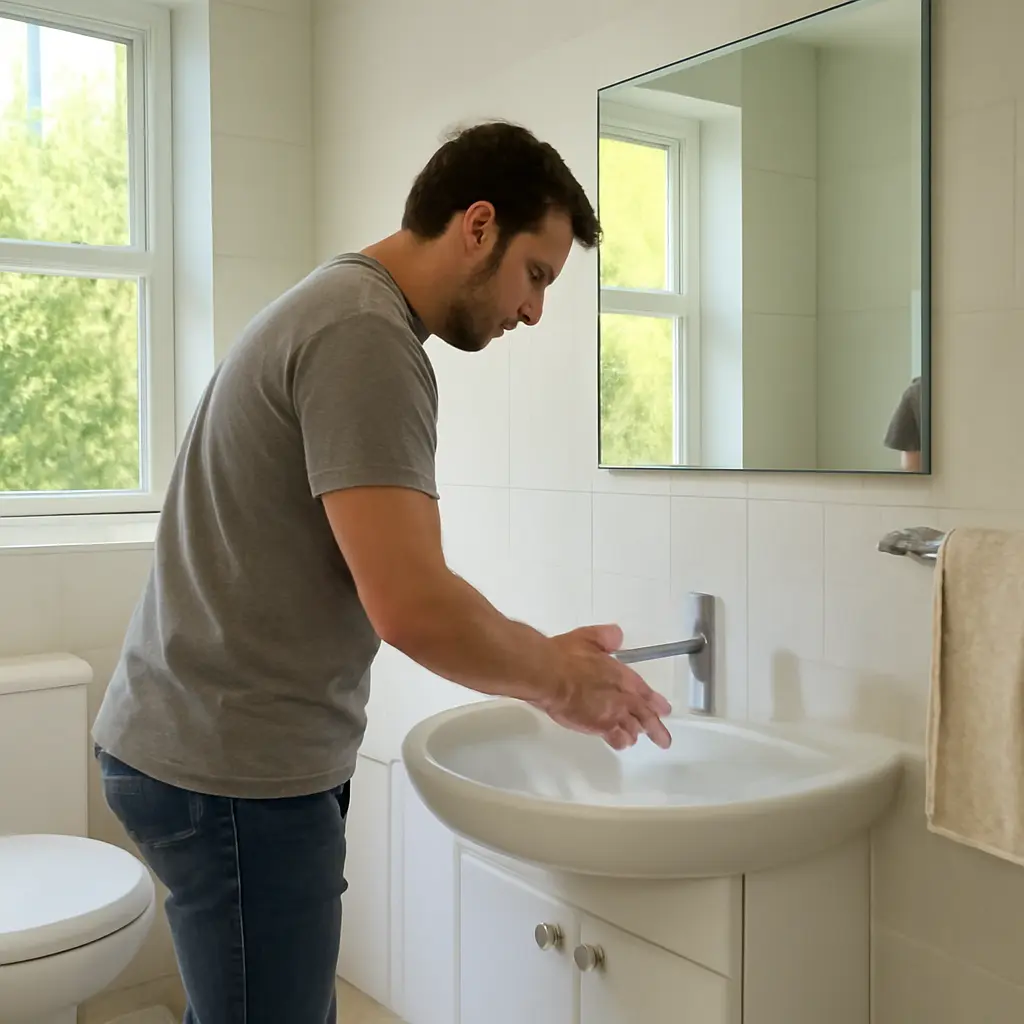
Hygiene habits are everyday routines that help keep the body, clothing, and surroundings clean and reduce the spread of germs. They can become “sneaky” when small cues—such as fatigue, stress, distraction, or a disrupted schedule—gradually turn a skipped shower, forgotten toothbrushing, or missed handwash into a repeated pattern. The Centers for Disease Control and Prevention (CDC) identifies handwashing as an important way to prevent illness, while the American Dental Association recommends brushing twice daily with fluoride toothpaste. Understanding how cues and routines shape behavior makes it easier to interrupt unhealthy patterns without shame: identify the trigger, make the desired action convenient, and tie it to an existing routine.
Habit formation explains how hygiene routines slip
A habit is a behavior that becomes more automatic through repetition in a recurring context. In the research review “Habits—A Repeat Performance,” psychologist Wendy Wood and Dennis Rünger describe habits as learned associations between situations and responses. A bathroom visit, bedtime, or meal can become a cue for a hygiene action; when the cue changes or the action feels inconvenient, the routine may weaken. This is a useful way to understand hygiene lapses, not a diagnosis or a measure of someone’s character.
Hygiene habits include several related practices: hand hygiene, oral care, bathing and skin care, and clean clothing or household routines. Each has different health considerations. For example, handwashing is especially relevant after using the toilet and before preparing or eating food, while oral care depends on consistent brushing and cleaning between teeth. The best routine is one that fits a person’s health needs, resources, and daily life.
Cue-driven routines make actions automatic
A cue is a signal that prompts a behavior, such as waking up, finishing a meal, or getting ready for bed. Repeating a small hygiene action after a stable cue can make it easier to remember. A 2009 study by Phillippa Lally and colleagues in the European Journal of Social Psychology found that habit automaticity generally increased with repetition in a consistent context; the time required varied widely among participants and behaviors. The findings do not support a universal “21-day rule.”
Friction and changing circumstances encourage skipped steps
Friction means anything that makes an action harder to start: supplies stored out of reach, a rushed morning, an uncomfortable bathroom, or uncertainty about what to do. Travel, illness, shift work, caregiving, and changes in housing can disrupt familiar cues. When a task requires extra decisions or effort, a person may postpone it repeatedly until skipping feels routine. Reducing friction—by placing supplies where they are used or preparing them in advance—can help restore the sequence.
Common hygiene habits become problematic through different pathways
Not every hygiene lapse has the same cause, and not every body needs the same cleaning schedule. The practical goal is to protect health and comfort with sustainable, evidence-based routines rather than pursue constant cleanliness. Several common patterns illustrate how ordinary omissions can develop and what can help reverse them.
Handwashing lapses often follow rushed transitions
Hand hygiene is cleaning hands to reduce contamination and the spread of germs. The CDC advises washing with soap and clean running water for at least 20 seconds, including before eating or preparing food and after using the toilet. When soap and water are unavailable, CDC guidance supports using hand sanitizer containing at least 60% alcohol in appropriate situations. A simple cue—washing immediately after using the restroom or before touching food—can reduce reliance on memory.
A global estimate from the World Health Organization and UNICEF’s Joint Monitoring Programme found that 2.3 billion people lacked a basic handwashing facility with soap and water at home in 2022. This highlights an important distinction: a missed handwash may reflect access barriers, not merely an individual habit. Reliable access to water, soap, and facilities is essential for the behavior to be possible.
Oral-care routines can fade when they are inconvenient
Oral hygiene includes brushing teeth, cleaning between teeth, and seeking dental care as appropriate. The American Dental Association recommends brushing twice a day for two minutes with fluoride toothpaste and cleaning between teeth daily. A bedtime cue can support brushing, but a late night or exhaustion may break the sequence. Keeping a toothbrush and toothpaste visible, using a timer, or linking brushing to another established evening task can make the routine easier to restart.
The World Health Organization’s 2022 Global Oral Health Status Report estimated that oral diseases affect nearly 3.5 billion people worldwide. That figure describes a broad group of conditions and does not mean that any one missed brushing causes disease. It does underscore why consistent prevention and access to dental services matter.
Bathing and clothing routines need to account for individual needs
Bathing, washing, and changing clothes are personal-care practices that vary with activity, climate, skin type, disability, age, and medical advice. There is no single bathing frequency that suits everyone. A routine may slip when someone is tired, has limited mobility, lacks privacy, or finds bathing uncomfortable. A smaller, manageable step—such as washing specific areas, changing underwear, or preparing clean clothes—may be more realistic than trying to overhaul an entire routine at once.
Practical strategies help stop unwanted hygiene patterns
Once a pattern is understood, behavior-change strategies can make the healthy action more likely. Research on habit formation points to repetition in a stable context; public-health guidance also emphasizes making recommended actions clear and accessible. Instead of relying on motivation alone, design a routine that works on ordinary, tired, and busy days.
Attach one small action to an existing cue
Choose a reliable event and specify the action that follows it: “After breakfast, I brush my teeth,” or “After I use the toilet, I wash my hands.” This if-then format makes the plan concrete. Start with one behavior rather than changing several routines at once, then repeat it in the same context. If a cue is unreliable, choose another that occurs more consistently.
Make supplies visible and reduce effort
Place soap near the sink, keep dental supplies together, and set out clean clothes before bedtime if mornings are rushed. For a shared home, agree on where supplies belong and replenish them before they run out. These adjustments reduce the number of decisions required at the moment of action. A visual checklist can also help when routines are interrupted or memory is under pressure.
Use reminders and reset without self-criticism
Phone alerts, calendar prompts, or a note beside a routine-related item can provide a temporary cue while a habit is being rebuilt. If a day is missed, resume at the next suitable opportunity rather than treating the lapse as failure. Habit formation is not perfectly linear, and the research by Lally and colleagues found substantial variation in how quickly behaviors became more automatic.
Address barriers that reminders cannot solve
A reminder cannot replace access to a working sink, soap, toothpaste, clean clothing, privacy, or assistance with personal care. If a routine is difficult because of pain, depression, sensory sensitivities, mobility limits, financial hardship, or another health concern, consider discussing practical adaptations with a clinician, dentist, caregiver, or social-service provider. Support should be respectful and tailored, not shaming.
A simple routine makes progress measurable
A short routine can turn general intentions into repeatable steps. The example below is a starting point, not a substitute for individualized medical or dental advice.
- Before food preparation or eating, wash hands with soap and water when available.
- After using the toilet, wash hands with soap and water for at least 20 seconds.
- Brush teeth for two minutes with fluoride toothpaste in the morning and before bed, following dental advice.
- Choose bathing and clothing changes according to activity, comfort, skin needs, and health guidance.
- Review the routine once a week: note what worked, what got in the way, and one adjustment to try.
A simple chart can track the cue, the action, and the main barrier—for example, “after dinner / brush teeth / supplies were not in the bathroom.” This focuses attention on the conditions around the habit and makes it easier to solve the real problem.
Conclusion: small changes can rebuild hygiene habits
Hygiene habits form through repeated actions tied to everyday cues, while stress, inconvenience, changing circumstances, and limited access can quietly disrupt them. Handwashing, oral care, and personal-care routines each have distinct recommendations, but the most useful approach is consistent and practical: identify the cue, reduce friction, begin with a manageable action, and restart without shame after a lapse. Choose one routine to improve this week, make the needed supplies accessible, and seek professional or community support when health or resource barriers make the routine difficult.
Sources: Wood, Wendy, and Dennis Rünger, “Psychology of Habit,” Annual Review of Psychology, 2016, https://doi.org/10.1146/annurev-psych-122414-033417; Lally, Phillippa, et al., “How Are Habits Formed: Modelling Habit Formation in the Real World,” European Journal of Social Psychology, 2009, https://doi.org/10.1002/ejsp.674; Centers for Disease Control and Prevention, About Handwashing, https://www.cdc.gov/clean-hands/about/; World Health Organization and UNICEF Joint Monitoring Programme, Progress on Household Drinking Water, Sanitation and Hygiene 2000–2022: Special Focus on Gender, 2023, https://washdata.org/reports/jmp-2023-wash-households; American Dental Association, Brushing Your Teeth, https://www.mouthhealthy.org/all-topics-a-z/brushing-your-teeth; World Health Organization, Global Oral Health Status Report, 2022, https://www.who.int/publications/i/item/9789240061484.